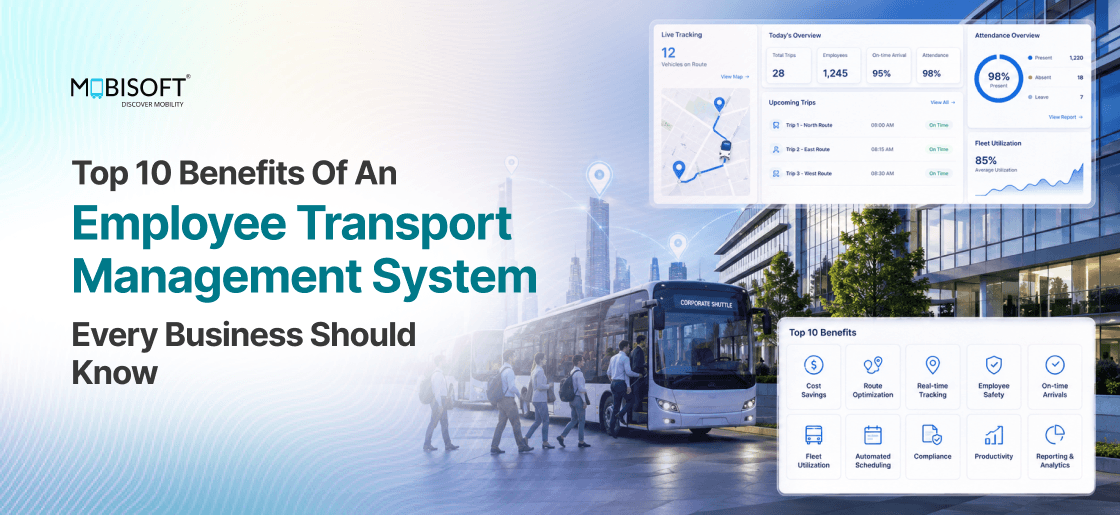
Most companies have digitized nearly every business function. And yet employee transport often remains stuck in the past. Many businesses still coordinate pickups through phone calls and messy spreadsheets. Routes get planned by instinct instead of actual data. This gap is no longer just an inconvenience for employees. It creates real costs in fuel, time, and driver turnover.
An employee transport management system closes this operational blind spot completely. It replaces guesswork with structured and reliable planning across every route. This guide explains why transport got left behind. It also explains what separates a modern platform from an outdated process. Once compared against other digitized departments, the contrast becomes obvious. Let’s explore more.
How Employee Transport Got Left Behind
Every department eventually gets its turn for modernization. Finance got dedicated forecasting tools years before HR did. Supply chain software matured because delays hit revenue directly. Transport, on the other hand, was treated as a support function. Leaders assumed a driver and a spreadsheet were enough. That assumption made sense when fleets were small and simple.
Company fleets have grown larger and far more complex since then. Employee shift patterns have changed across departments and locations. A spreadsheet cannot account for dynamic changes. Manual coordination breaks down the moment a fleet scales up. These limits are why so many companies now search for an employee transportation management system instead of patching old habits.
Growth exposes weaknesses that stayed hidden when operations were smaller. A company running three vehicles rarely notices inefficiency in daily planning. The same inefficiency becomes obvious once that fleet grows to thirty vehicles. Coordinators lose track of who is assigned where and when. Small mistakes compound into missed pickups and frustrated employees over time.
| Factor | Manual Coordination | Employee Transport Management System |
| Route Planning | Based on instinct and past experience | Automated using live traffic and demand data |
| Fleet Visibility | Limited to driver phone updates | Real-time GPS tracking across every vehicle |
| Schedule Reliability | Prone to delays and ripple effects | Consistent scheduling based on data |
| Cost Tracking | Scattered across spreadsheets and receipts | Centralized dashboards with clear reporting |
| Safety Monitoring | Reactive, based on reported incidents | Proactive, with driver scoring and alerts |
| Scalability | Breaks down as fleet size grows | Scales smoothly with automation |
Why Other Departments Modernized First
Finance and supply chain functions had clear returns on investment. A faster forecast or a shorter delivery cycle showed up in profit margins almost immediately. Transport savings are harder to isolate on a balance sheet. Fuel waste and idle time rarely appear as a single line item. That invisibility kept transport low on the priority list for years.
Budget decisions typically follow visible returns first. Departments that could prove savings quickly received funding sooner. Transport leaders often lacked the reporting tools needed to make that case. Without hard numbers, requests for new technology got deprioritized repeatedly. This cycle kept transport running on outdated methods far longer than necessary.
Why Transport Stayed Manual for So Long
Many leaders viewed employee commute as a simple logistics task. Assigning a route felt like something any coordinator could handle. Nobody questioned the hours lost to inefficient planning each week. The employee transport management system that many companies now use exists to close that blind spot. It replaces guesswork with structured decisions as per data across every route and shift.
This perception persisted because the costs stayed hidden in plain sight. Fuel receipts, overtime slips, and complaint emails rarely reached the same desk. Nobody connected these scattered signals into one clear picture. Once companies started measuring transport properly, the picture changed quickly. Leaders realized manual coordination was costing far more than expected.
The Real Cost of Staying Manual
Manual transport processes drain company resources every single day. Consider what typically goes wrong without a digital system in place.
- Drivers waste fuel on inefficient routes
- Coordinators lose hours resolving conflicts by phone
- Employees face unpredictable wait times
- Fleet managers lack visibility into vehicles
- Safety incidents go unreported until they escalate
These small issues can compound over time. A proper employee commute management removes these issues at once. Companies that delay this shift often pay for it through higher turnover. Employees notice unreliable transport faster than most leaders expect them to.
What Modern Transport Management Actually Looks Like Now
Technology has changed what is possible for workforce transportation. Tasks that once needed a full team now run on software. A modern employee transport management software platform blends automation with human oversight. It does more than track vehicles. It actively improves how routes get planned. Here are the recent trends:
AI-Driven Route Optimization
Smart algorithms adjust routes using live traffic and weather data. They also factor in driver availability and vehicle capacity. This removes the guesswork from manual route planning. Companies using this kind of employee transport software see shorter commute times. Route changes happen instantly instead of through phone calls.
These systems also learn from past trips over time. A route that performs poorly gets flagged automatically. Coordinators can then adjust that route going forward. This creates steady improvement with very little manual effort.
Electric and Hybrid Fleet Management
Fleet electrification is now a standard expectation, not a pilot project. Charging plans are built directly into transport platforms. Managers can track battery levels and range alongside routes. This helps companies cut fuel costs and meet emissions targets. An employee mobility solutions platform makes this shift much easier.
Charging data feeds directly into route planning. Dispatchers can see which vehicles need charging before long trips. This prevents vehicles from stalling mid-shift. Electric fleets paired with smart routing save money every month.
Data-Backed Safety Systems
Safety monitoring has become far more precise in recent years. Dashcams, fatigue sensors, and geofencing alerts now work together. Driver scoring flags risky behavior early. Employees get safer rides without any added hassle. This data also gives companies solid proof of their safety record.
Insurers often reward companies that track this kind of data. Lower incident rates can mean real savings on premiums. Safety data also shows which drivers need coaching. Safety becomes proactive instead of reactive.
Flexible and On-Demand Commute Models
Fixed routes no longer fit how teams actually work. Employees often need pickup from different spots each day. A corporate carpooling solution lets teams pool rides based on real demand. This cuts down on empty seats and extra stops. It works especially well for staggered or hybrid schedules.
Employees also gain more control over their commute. They can request changes through an app instead of calling someone. This cuts the workload for transport teams. It also makes employees happier, since changes happen fast.
Integration With HR and Workplace Systems
Transport data should not sit in its own silo. Modern platforms connect directly with attendance and shift data. This means transport adjusts automatically when a shift changes. Facility access systems can tap into the same data too. The result is one clear view instead of scattered spreadsheets.
This connection also makes reporting easier. HR can pull commute data for retention reviews. Finance gets a clear picture of transport spending. One shared data source ends the need for manual cross-checking.
The Real Cost of Manual Transport Management
Manual processes do not just waste time, they actively cost money. This section breaks down where those costs show up most clearly.
Route Planning Complexity
Planning routes by hand requires balancing several moving variables at once. Coordinators must consider pickup times, driver shifts, and vehicle assignments together. Traffic and road closures add further unpredictability to an already difficult task. A single missed variable can throw off an entire day's schedule. Reliable shuttle scheduling software removes this burden by handling every variable automatically.
Even experienced coordinators struggle to optimize routes manually at scale. The math behind efficient routing involves too many variables for manual calculation. Software handles this complexity instantly, freeing coordinators for higher-value tasks.
Rising Operational Costs
Fuel waste from inefficient routes adds up faster than most leaders expect. A fleet of fifty vehicles can lose thousands each month to unnecessary mileage. Overtime pay for delayed drivers adds another layer of hidden expense. Maintenance costs also climb when vehicles sit idle or take longer routes. These numbers rarely show up clearly without dedicated reporting tools in place.
Hidden costs often stay buried until someone builds a proper report. Once visible, these numbers usually surprise even experienced finance teams. Companies that measure this closely tend to act on it quickly.
Schedule Reliability
One late vehicle can disrupt an entire day of shift transitions. A driver assigned to drop one group and collect the next feels this pressure directly. If that driver runs late, the next shift arrives late as well. This ripple effect grows worse as fleet size and shift complexity increase. Consistent scheduling is one of the clearest benefits of moving away from manual coordination.
Delays also affect morale in ways that are hard to quantify precisely. Employees who wait regularly begin to distrust the entire transport system. Once trust erodes, complaints and turnover tend to follow shortly after.
Managers often underestimate how quickly this frustration spreads across teams. A single bad week of delays can undo months of goodwill. Automated scheduling prevents these small failures from becoming a pattern.
Zero Visibility Into Fleet Operations
Without live tracking, fleet managers operate almost entirely on assumptions. They cannot confirm a vehicle's location without calling the driver directly. Utilization data, like how often a vehicle sits idle, remains completely invisible. This blind spot makes it nearly impossible to plan capacity accurately. A proper employee shuttle management system replaces these blind spots with continuous, real-time data.
This lack of visibility also complicates budgeting for future fleet expansion. Without usage data, leaders cannot tell which routes actually need more vehicles. Decisions end up based on complaints rather than actual demand patterns.
Core Features of a Modern Employee Transport Management System
A strong platform combines several features into one connected system. Each feature addresses a specific gap left by manual coordination.
Real-Time Route Planning
Automated planning tools use GPS data to chart the most efficient path. They factor in live traffic conditions rather than relying on fixed assumptions. Routes adjust instantly when conditions change during the workday. This keeps commute times predictable even during unexpected disruptions. Most employee transportation software platforms treat this feature as their foundation.
Dispatchers can also simulate route changes before committing to them. This lets teams test new pickup points without disrupting live operations. Planning becomes proactive instead of reactive once this capability exists.
Live Fleet Tracking
Fleet managers can see every vehicle's exact location at any moment. Automated alerts flag any vehicle that strays from its assigned route. This visibility improves both safety and operational accountability across the board. A connected fleet management System gives managers a single dashboard for every vehicle in use. Nothing depends on a phone call or a driver's memory anymore.
Historical location data also helps with audits and dispute resolution. If an employee reports an issue, managers can review the exact route taken. This transparency builds trust between drivers, employees, and management teams.
Driver and Employee Mobile Apps
Drivers receive route details and updates directly through a dedicated app. Employees can check pickup times, locations, and delays from their own phones. Two-way communication replaces the need for constant manual coordination. This convenience mirrors what people already expect from consumer ride apps. A well-designed employee transportation app keeps both sides informed without extra effort.
Push notifications reduce the anxiety that comes with uncertain pickup times. Employees know exactly when to leave their desk or front door. Drivers benefit too, since they receive clear instructions without guesswork.
Automated Notifications
Trigger-based alerts notify employees the moment a route or pickup changes. Drivers receive similar updates without needing to check in manually. This automation removes the burden from coordinators who once handled every notification by hand. It also reduces confusion and missed pickups across a large workforce.
Automated alerts scale effortlessly regardless of fleet size or shift count. A coordinator managing ten vehicles or two hundred faces the same workload. This scalability is one reason automation delivers such strong long-term value.
Analytics and Reporting Dashboards
Reporting tools track cost, utilization, and emissions data in one place. Fleet managers can spot inefficiencies that were previously invisible on paper. Emissions tracking also supports company-wide sustainability and compliance reporting needs. These insights turn transport from a cost center into a measurable, improvable function.
Dashboards also make it easier to justify future technology investments. Leaders can point to specific, documented savings rather than rough estimates. This data becomes especially valuable during annual budget planning discussions.
Safety and Compliance Tools
Driver behavior monitoring flags harsh braking, speeding, and other risky patterns. Incident reporting tools capture details immediately rather than relying on memory later. Together, these tools create a safer, more accountable transport operation overall. Companies offering strong corporate shuttle management rely heavily on this kind of built-in safety data.
Compliance reporting also becomes far simpler with automated recordkeeping in place. Audits that once took days can often be completed within hours. This efficiency matters most for companies operating across multiple regions.
What Companies Gain by Closing the Gap
Adopting a digital platform brings more than simple convenience. Here are the benefits companies notice first.
Lower Operational Costs
Automated routing cuts fuel waste by a wide margin. Companies also need fewer staff for manual coordination. Fewer idle vehicles mean lower maintenance costs too. These savings often cover the platform cost within months.
Some companies reinvest these savings into better transport benefits. Efficient routing frees up the budget once lost to waste. Savings end up funding further improvement over time.
Improved Punctuality
Data-backed scheduling keeps pickups and drop-offs on time. Employees spend less time waiting around each day. Predictable commutes also reduce morning stress. This matters most for large, multi-shift workforces.
Punctuality also protects operations tied to shift handoffs. A factory or call center runs smoother when shifts start on time. Small delays early in the day often cause bigger problems later.
Better Fleet and Resource Management
Centralized dashboards replace scattered spreadsheets and phone calls. Fleet managers can reassign vehicles in just a few clicks. This makes it easier to scale as the headcount grows. Vehicles and drivers get used efficiently instead of sitting idle.
This visibility also supports better long-term planning. Managers can spot vehicles nearing capacity early. Expansion decisions become proactive instead of reactive.
Stronger Employee Experience
Reliable transport shows employees that the company values their time. People notice when their daily commute feels organized. This quietly supports morale and retention over time. Good employee transportation services often influence hiring decisions too.
Word spreads fast when a benefit works well. A dependable commute becomes something employees mention to friends. This kind of word of mouth strengthens a company's reputation.
Progress Toward Sustainability Goals
Emissions tracking gives companies solid data for sustainability reporting. Electric fleets paired with smart routing lower carbon output. This data also supports broader ESG commitments. Transport becomes a measurable part of that larger story.
Investors and partners now expect this kind of proof. Companies with clear emissions data stand out during evaluations. This makes transport data useful well beyond daily operations.
How to Choose the Right Employee Transport Management System
Not every platform fits every company's fleet size or structure. Use the following checklist when comparing available options.
| Evaluation Criteria | What to Look For | Why It Matters |
| Scalability | Support for growing fleet size and shifts | Prevents platform replacement as the company expands |
| Integration | Compatibility with HR and attendance tools | Keeps transport data connected to workforce data |
| Safety Features | Geofencing, driver scoring, fatigue alerts | Reduces incidents and supports compliance |
| Reporting Depth | Cost, utilization, and emissions dashboards | Enables data-backed budget and sustainability decisions |
| Mobile Experience | Dedicated apps for drivers and employees | Improves daily adoption and reduces confusion |
A platform that checks these boxes will handle growth without added complexity. Weaker platforms often struggle once fleet size or shift complexity increases. It also helps to request a trial period before committing fully. Real usage data reveals issues that a demo alone rarely shows.
Pricing structures vary widely across vendors in this space. Some charge per vehicle, while others price based on total employees served. Understanding this structure early helps avoid unexpected costs later. Ask vendors directly how pricing scales as your fleet expands over time.
A Real-World Example of Closing the Gap
Consider a mid-sized company running twelve vehicles across three daily shifts. Before adopting digital transport tools, coordinators managed routes through phone calls alone. Delays were common, and fuel costs climbed steadily each quarter. After switching to an automated platform, average pickup delays dropped by half. Fuel costs fell as routes became shorter and more efficient overall. Coordinators also regained hours previously spent resolving scheduling conflicts by hand. This kind of outcome is typical once manual coordination gets replaced with structured data.
Within six months, the company expanded its fleet without adding coordination staff. The platform absorbed the added complexity without requiring extra headcount. Leadership pointed to this efficiency when approving further fleet investment. This pattern repeats across companies of many different sizes and industries.
Bringing Employee Transport Into the Present
Nearly every other business function has already made this transition. Employee transport remains one of the last areas still running on guesswork. Closing that gap is no longer optional for companies serious about efficiency. A dependable employee transport management system turns a manual liability into a measurable advantage. It reduces costs, improves punctuality, and strengthens the overall employee experience.
Companies that make this change now will operate with a clear edge. Those that wait will keep absorbing costs that stay hidden until measured properly. The gap between manual and modern transport only grows wider with time. Every quarter spent on outdated coordination adds to costs already lost. If manual coordination is still running your fleet, it may be time for a change. Explore how a modern transport platform can bring your operations up to date.

Frequently Asked Questions
How much does an employee transport management system cost?
Pricing depends on your fleet size and feature set. Integration requirements can also increase the cost. Most vendors offer tiered plans based on the number of vehicles managed. Companies with larger fleets often unlock better per-vehicle pricing over time. A good employee transport management software provider will offer a clear cost breakdown upfront.
How long does implementation usually take?
Smaller fleets can go live within a few weeks of onboarding. Larger fleets with multiple locations may take a few months. Timelines depend on integration with existing HR and attendance systems. Choosing reliable employee transportation software early on helps avoid delays during setup.
Is this technology only useful for large companies?
No. Even small fleets benefit from automated routing and live tracking. Efficiency gains scale with fleet size but applies at any level. Smaller companies often see faster returns since manual processes are simpler to replace. A lightweight employee transport software solution can fit teams of any size.
Can existing vehicles be used with a new platform?
Yes. Most systems work with existing fleets through simple hardware installation. A full vehicle replacement is rarely required to get started. Sensors and tracking devices are usually installed without major downtime. This makes adopting an employee transportation management system far less disruptive than expected.
What kind of training do drivers and coordinators need?
Most platforms are designed for quick adoption with minimal training required. Drivers typically learn the mobile app within a single shift. Coordinators usually need only a short walkthrough of the dashboard. This ease of use is a key advantage of modern employee mobility solutions.
This content is for informational purposes only and may include AI-assisted research or content generation. While we strive for accuracy, information may evolve over time. Readers are advised to independently verify critical information before making decisions.

Nitin Lahoti
Read more
Nitin Lahoti is the Co-Founder and Director at Mobisoft Infotech. He has 15 years of experience in Design, Business Development and Startups. His expertise is in Product Ideation, UX/UI design, Startup consulting and mentoring. He prefers business readings and loves traveling.
 Nitin Lahoti
 April 29, 2024